










A crypto casino accepts digital assets for deposits or withdrawals, with supported coins, networks and account currencies determined by the operator. In this article for brasil-cassinos.org, we examine the criteria that matter when comparing these platforms: payment costs, withdrawal conditions, identity verification, game selection and bonus restrictions.
The best crypto casino needs clear terms for how funds are credited, held and returned. Cryptocurrency support alone does not establish reliable payments, anonymity or fair games. Bitcoin transactions are publicly recorded, confirmation times vary, and funds held by a third-party platform remain exposed to that platform’s security and ability to honour withdrawals.
A crypto live casino combines cryptocurrency payment options with dealer-hosted games streamed by video. The payment method and game format are separate features; neither confirms that every table accepts balances denominated directly in digital assets. We assess supported currencies and settlement conditions individually rather than assuming one arrangement across the catalogue.
Readers searching for best crypto casino Brazil also need a current legal assessment. Brazil’s September 2026 prohibition, published by the Ministério da Fazenda, covers overseas operators offering fixed-odds betting and online games to people located in the country. Crypto payments do not create an exemption. We therefore distinguish documented product features from lawful availability, and advertised benefits from verified evidence.
How a Crypto Casino Works

A crypto online casino connects cryptocurrency payments to an internal player account and a game catalogue. We distinguish payment settlement, balance accounting and game verification because each operates separately: accepting digital assets does not mean every bet runs on a blockchain.
Crypto Balance vs. Converted Balance
A crypto balance records funds in digital-asset units, while a converted balance records the credited value in another currency. When comparing casino crypto payment features, we check the actual accounting unit rather than relying on the currency symbol displayed.
- Crypto-denominated balance. Stakes, returns and account funds are recorded in units such as BTC. A hypothetical 0.001 BTC balance remains that quantity until transactions change it, although its value in reais can fluctuate;
- Converted balance. The platform exchanges the received asset into the account currency. Subsequent bets use that credited amount; withdrawing in cryptocurrency may involve a second conversion at a different rate;
- Display-only conversion. A BRL or USD figure may simply show an estimated equivalent. Changing the display currency does not necessarily exchange the underlying funds;
- Conversion costs. Check the credited amount, exchange rate and any charges. Operators’ published payment rules commonly state that transaction conversion rates can differ from displayed rates and change before processing.
Provably Fair: How to Verify a Spin
Provably fair is a cryptographic process for checking whether a supported game’s result matches committed inputs and its published calculation. A crypto casino online does not automatically provide this feature for every slot; we check verification support title by title.
- Save the commitment before play. Record the server-seed hash shown by the game. This commits the operator to a hidden server value without revealing it;
- Record the round inputs. Save the client seed, nonce – the round counter – and any additional inputs required by that game;
- Obtain the revealed server seed. Follow the game’s disclosure procedure. Some implementations reveal the previous seed after it is rotated;
- Check the hash. Hash the revealed server seed using the specified algorithm and compare it with the commitment saved earlier;
- Recalculate the result. Use the published game algorithm and recorded inputs, preferably through an independent implementation, then compare the output with the recorded spin or round.
Matching values support that round’s consistency with the stated process. They do not guarantee winnings, confirm withdrawal reliability or establish that every game on a given platform offers seed-based verification.
How We Choose Crypto Casinos
Our proposed assessment framework for brasil-cassinos.org compares crypto casino sites through documented payment conditions, game transparency and player protections; it does not imply that every listed platform has undergone transaction testing.
- Check legal availability first. We establish whether the operator may serve the intended audience before considering its features. Brazil’s current prohibition includes overseas providers offering betting and online games to people located in the country. Cryptocurrency support does not change that restriction.
- Verify the operator and licence. We check the legal entity, licence status and covered domain against the issuing regulator’s records. A footer badge alone is insufficient evidence, and an overseas licence does not establish permission to operate locally.
- Match each asset to its supported network. An online crypto casino should disclose the exact combinations it accepts, including any required memo or destination tag. We assess these combinations individually; support for USDT on one network does not establish support on another.
- Calculate payment costs and restrictions. We examine deposit minimums, withdrawal caps, network charges, operator fees and conversion rates. Missing figures remain unverified rather than being inferred from another country’s payment page.
- Read verification rules before assigning a privacy label. A no kyc crypto casino claim requires scrutiny of the full terms. We check whether identity, location, payment ownership or source-of-funds checks can be requested later, particularly before withdrawal. Most operators’ published rules permit documentary checks during payment processing.
- Check fairness evidence for specific games. We look for the seed commitment, disclosure procedure, result algorithm and working verifier on titles advertised as provably fair. Cryptocurrency acceptance alone does not make a slot independently verifiable.
- Assess bonus conditions and complaint handling. We compare wagering calculations, expiry, cash-out ceilings and cancellation consequences. We also look for a clear complaints route and documented responses; neither an attractive promotion nor an isolated testimonial establishes payment reliability.
- Publish the evidence and its limits. We identify the source date, relevant jurisdiction and whether a finding comes from published terms or recorded testing. Naming the best online crypto casino requires sufficient comparable evidence, with unresolved gaps visible to readers.
We favour verifiable conditions and clear accountability when assessing a platform’s suitability.
Cryptocurrencies Accepted at Casinos
Accepted cryptocurrencies differ in price exposure, transaction fees and settlement requirements. We assess each asset and network separately; a crypto slots casino may accept a coin for payments while converting the balance before play.
Bitcoin
Bitcoin (BTC) uses its own blockchain, with payment completion depending on network confirmations. Blocks arrive approximately every ten minutes on average, but that is not a guaranteed transaction time.
- Balance value: BTC can rise or fall against the real while the coin quantity remains unchanged;
- Transfer costs: fees and network demand affect confirmation speed;
- Privacy: transactions are publicly recorded; Bitcoin does not provide complete anonymity.
USDT and Other Stablecoins
USDT and similar dollar-linked stablecoins aim to track the US dollar. We distinguish that target from stability in reais: USD/BRL movements still affect their local purchasing value. Tether describes USDT as pegged one-to-one to USD.
- Network compatibility: USDT exists on multiple blockchains. The sender and receiving platform must support the same version;
- Costs: fees depend on the selected network, not simply the token name;
- Risk: a dollar peg is not a guarantee against price deviation, issuer problems or withdrawal restrictions.
Ethereum, Litecoin, Solana, and Altcoins
ETH, LTC and SOL appear in many operators’ published payment lists, but support varies by platform. We do not assume that availability on one platform establishes a current payment option on another.
- Ethereum: transactions on Ethereum require fees paid in ETH, including transfers of tokens on that network;
- Litecoin and Solana: confirm the accepted network, minimum amount and required confirmations;
- Other assets: check any destination tag or memo and whether deposits and withdrawals are both supported.
A crypto casino no kyc label describes an account-verification claim, not a property of the currency; operators’ payment rules generally permit identity and ownership checks.
How to Deposit with Crypto: Step-by-Step
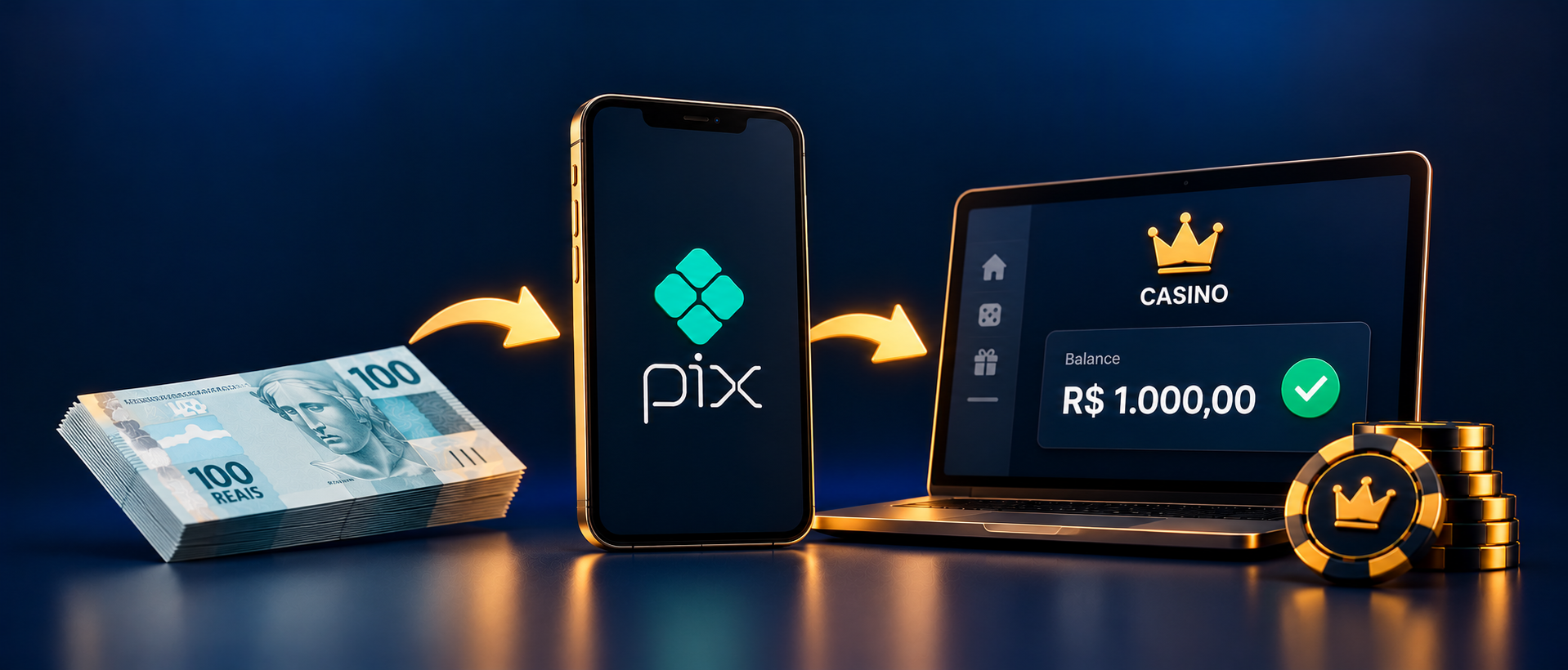
We recommend checking the payment terms before sending cryptocurrency to a casino account. The process depends on the operator, the selected asset and the blockchain network, but the main steps are similar across many platforms.
- Check legal availability. Before creating an account or transferring funds, verify whether the operator may legally offer its services in your location. Brazil’s restrictions described above also apply to overseas platforms accepting cryptocurrency. A new crypto casino does not gain an exemption simply by supporting digital assets;
- Open the cashier. Sign in to your account and select the deposit section. Check whether cryptocurrency deposits are available for your account and jurisdiction. Payment methods may differ between regional versions of the same platform;
- Select the cryptocurrency and network. Choose the asset you intend to send, such as BTC or USDT. If the cashier lists several networks for one token, select the network supported by both the sending wallet and the receiving platform. Sending funds through an incompatible network can result in a failed or unrecoverable transfer;
- Check the deposit details. Review the minimum amount, deposit address, required confirmations and any memo or destination tag. Copy the address directly from the cashier rather than entering it manually. Check the first and last characters before confirming the transaction;
- Send the funds from your wallet. Enter the casino’s deposit address in your wallet, specify the amount and review the network fee. Confirm that the transfer meets the platform’s minimum deposit requirement. The fee charged by the blockchain network is separate from any operator fee;
- Wait for confirmation. Track the transaction using its transaction ID, also called a transaction hash, if the network provides a public block explorer. The casino may credit the funds only after receiving the required number of confirmations. Processing time depends on network conditions and the operator’s payment procedure;
- Check the credited balance. Once the deposit is processed, verify the amount shown in your account. If the casino converts cryptocurrency into another currency, compare the credited value with the quoted exchange rate and any disclosed charges. Contact support with the transaction ID if the transfer is confirmed on the blockchain but the account balance has not updated;
- Review the account before playing. Check whether the deposit activates bonus conditions, wagering requirements or withdrawal restrictions. These terms can affect when and how funds may be withdrawn. The payment method alone does not establish that an account is exempt from identity verification.
When comparing a live crypto casino with a crypto casino live dealer section, we treat payment processing and game availability as separate features. Before making a deposit, verify the applicable terms rather than relying on promotional descriptions or assumptions about cryptocurrency payments.
Mistakes That Cause You to Lose Crypto
Cryptocurrency deposits can be lost or delayed because of transfer errors, incorrect network selection or account restrictions. When assessing an online casino crypto payment method, we focus on the risks that players can check before sending funds.
- Selecting the wrong blockchain network. A token such as USDT may operate on several networks, including Ethereum, Tron and BNB Smart Chain. The sending wallet and receiving platform must support the same network and token standard. A transfer to an incompatible address may be difficult or impossible to recover.
- Entering an incorrect wallet address. Blockchain transactions are generally irreversible once confirmed. Copy the deposit address from the casino cashier and compare its first and last characters before approving the transfer. Do not use an address from an old transaction without checking that it is still valid.
- Ignoring minimum deposit requirements. Some platforms set a minimum amount for each cryptocurrency. A transfer below that threshold may not be credited automatically. Check the current limit and account for the network fee when calculating how much cryptocurrency to send.
- Overlooking transaction fees. The amount deducted from your wallet may exceed the amount credited to your account because of network charges or operator fees. We recommend checking the final transfer amount and the displayed exchange rate before confirmation.
- Assuming a transaction is complete too early. A transaction can appear in a block explorer before the casino credits the deposit. The operator may require additional confirmations or carry out separate payment checks. Use the transaction ID to track its status instead of sending the same amount again immediately.
- Sending funds without checking withdrawal conditions. A crypto gambling casino may apply identity verification, payment ownership checks, withdrawal limits or source-of-funds requirements. A successful deposit does not guarantee that a later withdrawal will be processed without further checks. Review the applicable terms before transferring funds.
- Misreading a displayed balance. Some platforms retain cryptocurrency as the account balance, while others convert deposits into BRL or another currency. Exchange-rate changes can affect the displayed value, and the amount returned in cryptocurrency may differ from the original transfer’s market value.
- Treating cryptocurrency as anonymous. Public blockchains record transaction data, and operators may link deposits to an account through wallet information or verification procedures. Using cryptocurrency does not remove legal obligations or prevent an operator from requesting documents.
We advise checking the address, network, fees and account terms before every transfer, since a confirmed blockchain transaction may not be reversible.
Crypto Withdrawals
Withdrawing cryptocurrency from a casino involves checking the payment conditions, confirming the destination wallet and accounting for network fees. We assess withdrawal speed by separating blockchain processing from the operator’s internal approval procedure.
- Check withdrawal eligibility. Open the cashier and review the available withdrawal methods. Some platforms require completed identity verification, compliance checks or confirmation of payment ownership before processing a request. A successful deposit does not automatically mean withdrawals are available without further checks;
- Select the cryptocurrency and network. Choose an asset supported for withdrawals and confirm that the receiving wallet accepts it on the selected network. The withdrawal network must match the destination wallet’s supported network. For tokens available on several blockchains, selecting the wrong one can result in lost funds;
- Enter the destination address. Copy the receiving address from your wallet and check it before submitting the request. If the asset requires a memo or destination tag, enter that information as instructed. A confirmed blockchain transfer generally cannot be reversed by the sender;
- Review limits and fees. Check the minimum and maximum withdrawal amounts, any operator charges and the network fee. Some platforms also apply daily or transaction-based limits. Compare the amount requested with the amount expected to arrive in your wallet;
- Complete the withdrawal request. Enter the amount, confirm the destination details and complete any security checks requested by the platform. Save the request reference and transaction ID when available. If the operator has not yet broadcast the transaction, a blockchain explorer may not show it;
- Track processing time. A crypto casino with fast withdrawals may process requests quickly, but the advertised speed does not necessarily describe the entire transfer. Internal approval, account verification, network congestion and confirmation requirements can all affect the final arrival time. An instant withdrawal crypto casino claim should be checked against the published terms and actual processing conditions;
- Check the received amount. Once the transaction reaches the blockchain, use its transaction ID to check the status. Compare the amount received with the withdrawal confirmation, allowing for disclosed fees. If the transaction is confirmed but the funds have not appeared in the wallet, verify that the receiving wallet supports the asset and network before contacting support.
When comparing casino sites that accept crypto deposits, we examine withdrawal rules separately from deposit options. Clear limits, disclosed fees and a defined verification process provide a more useful basis for comparison than a speed claim alone.
Bonuses for Crypto Players

We assess crypto casino promotions by their eligibility rules, wagering requirements and withdrawal restrictions rather than the advertised value alone. Bonus availability depends on the operator, account jurisdiction, payment method and current terms. Our comparison below reflects the information reviewed for this article; unverified offers are not presented as confirmed benefits.
| Bonus type | How it works | What we check |
| Crypto casino sign up bonus | A promotion for eligible new accounts, sometimes linked to a first deposit. | Minimum deposit, eligible payment methods, maximum bonus and expiry date. |
| Crypto casino no deposit bonus | A promotion that does not require an initial deposit, if the operator offers one. | Registration or verification requirements, eligibility restrictions and withdrawal conditions. |
| Crypto casino free spins | A set number of spins on specified slot games, sometimes issued as part of a welcome offer. | Eligible games, spin value, expiry and whether winnings are subject to wagering. |
| Deposit match | An operator credits a qualifying deposit with a bonus calculated under the offer’s rules. | Match percentage, maximum amount, minimum deposit and contribution rates. |
| Reload bonus | A promotion for eligible existing customers who make another qualifying deposit. | Availability, frequency, payment restrictions and wagering terms. |
| Cashback or loss rebate | A return calculated according to the promotion’s definition of eligible losses or turnover. | Calculation period, maximum rebate, exclusions and whether the credit is withdrawable. |
How to Evaluate a Crypto Casino Bonus
We use the following checks when reviewing a casino crypto bonus:
- Eligible payment methods. Some promotions exclude cryptocurrency deposits or accept only selected coins and networks. Check the specific terms rather than assuming every deposit qualifies;
- Wagering requirements. A bonus may need to be wagered a specified number of times before withdrawal. Check whether the calculation applies to the bonus alone or to the bonus and deposit;
- Maximum withdrawal. Certain offers limit the amount that can be withdrawn from bonus winnings. A displayed bonus amount does not necessarily represent withdrawable funds;
- Expiry and game restrictions. Bonuses can expire after a set period, and some games may contribute less toward wagering or be excluded entirely;
- Verification and location. Operators may require identity checks and restrict offers by jurisdiction. A crypto casino bonus no deposit offer does not automatically remove these requirements.
The phrase crypto casino promotions covers several different offer types, so we compare each under its own conditions. We do not treat a crypto casino free spins offer or a crypto casino sign up bonus as available unless the relevant terms confirm it.
Bonus Availability in Our Comparison
The table below summarises the bonus information recorded for the operators reviewed earlier in this article. It distinguishes documented general promotions from offers specifically verified for cryptocurrency users in Brazil.
| Brand | Bonus information in our review | Brazil-specific crypto offer |
| 1xBet | General promotions may be available under applicable terms. | No specific crypto bonus verified. |
| Stake | VIP rakeback and reloads are described, subject to eligibility. | No universal crypto deposit bonus established. |
| BC.Game | Deposit promotions are documented in the reviewed material. | Current Brazilian terms unverified. |
| 20Bet | General promotions have separate conditions; no dedicated crypto offer was identified in the reviewed article. | Not verified. |
| 22Bet | A dedicated crypto offer was not verified in the reviewed material. | Not verified. |
| Mostbet | Current crypto-specific bonus terms were not established. | Not verified. |
| 1win | Current crypto bonus eligibility and terms were not independently confirmed. | Not verified. |
We do not infer a bonus from the presence of a cryptocurrency cashier. Any offer must be checked against the operator’s current terms and local legal restrictions before use.
Volatility, Fees, and Exchange Rates
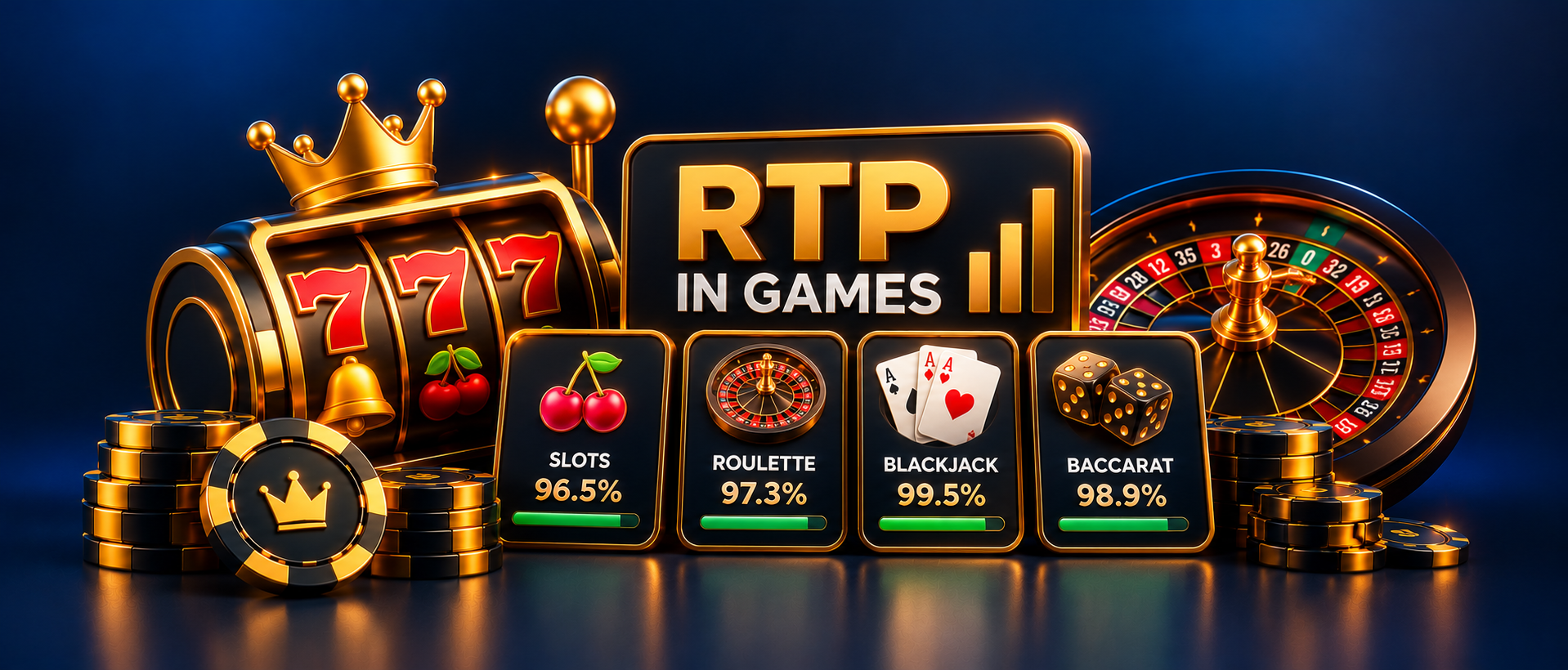
When we assess crypto casino payments, we separate cryptocurrency price movements from transaction fees and currency conversion costs. These factors affect the value credited to an account and the amount eventually received in a withdrawal.
- Cryptocurrency volatility. The market price of BTC, ETH and other cryptocurrencies can change between deposit and withdrawal. For example, a balance of 0.01 BTC remains the same in bitcoin units, but its equivalent in Brazilian reais may rise or fall. The final value therefore depends on the exchange rate at the time of conversion.
- Stablecoin price exposure. USDT is designed to track the US dollar, but its value in BRL also depends on the USD/BRL exchange rate. A stablecoin balance can retain approximately the same dollar value while changing in reais. Its market price can also temporarily move away from the intended peg.
- Blockchain transaction fees. Each network has its own fee structure. Ethereum transaction costs depend on network demand and the computational resources required, while fees on other networks follow different rules. The fee paid by the sender may be separate from any charge applied by the casino.
- Operator fees and minimum amounts. Some platforms set minimum deposit and withdrawal limits or apply payment-processing charges. We check the relevant cashier information before comparing operators because conditions can vary by cryptocurrency, network and account jurisdiction.
- Currency conversion. A casino may retain funds in cryptocurrency or convert them into BRL, USD or another account currency. The displayed equivalent may be an estimate rather than a guaranteed conversion rate. We compare the quoted rate with the amount credited and check whether another conversion may apply during withdrawal.
- Transfer timing. The exchange rate can change while a transaction awaits blockchain confirmations or internal approval. A deposit valued at one rate may be credited at another if the operator converts it only after processing. Withdrawal timing can create the same difference in the opposite direction.
- Comparing the total cost. When reviewing a crypto casino Brasil option, we examine the amount sent, the network fee, any operator charge, the conversion rate and the amount credited or received. Looking at only the advertised fee can leave out other costs associated with the transaction.
We compare payment methods using the final credited or received amount, since cryptocurrency price movements, fees and conversion rules all affect the transaction’s actual value.
Crypto, Taxes, and the IRS
Cryptocurrency deposits, withdrawals and gambling winnings may have tax consequences, depending on the player’s country of tax residence. We distinguish the tax treatment of gambling income from the treatment of cryptocurrency transactions, since they can involve separate reporting rules.
- Determine which tax rules apply. The IRS is the US federal tax authority, so its rules generally concern US taxpayers rather than Brazilian residents solely because they use cryptocurrency. Players in Brazil should check the requirements of the Brazilian tax authorities. Tax residence and the nature of the transaction determine which rules are relevant.
- Keep records of deposits and withdrawals. We recommend retaining transaction IDs, dates, amounts, wallet addresses and exchange-rate records. Casino statements and wallet histories can help establish when funds moved and how much cryptocurrency was involved. These records may be useful when preparing tax returns or responding to a tax authority’s request.
- Separate gambling results from crypto price changes. Gambling winnings and losses may be treated differently from gains or losses resulting from changes in cryptocurrency value. For example, receiving BTC as a withdrawal and later selling it for a different amount in fiat currency may create a separate tax question from the original gambling result. The applicable treatment depends on local law and the transaction details.
- Do not assume that cryptocurrency payments are tax-free. Using an online casino that accepts crypto deposits does not remove reporting obligations that otherwise apply. Blockchain transactions may also leave records that can help establish the movement of funds.
- Check reporting requirements before filing. In the United States, gambling income and digital-asset transactions can fall under different IRS reporting rules. The applicable forms and treatment depend on the taxpayer’s circumstances. Brazilian residents should consult current Receita Federal guidance rather than applying US rules automatically.
- Distinguish payment speed from tax treatment. An instant payout crypto casino may process a withdrawal quickly, but processing speed does not determine whether a transaction is taxable or reportable. Keep the withdrawal confirmation and the relevant exchange-rate information even when funds arrive within minutes.
We recommend maintaining complete transaction records and consulting a qualified tax professional when gambling activity and cryptocurrency transactions overlap. Tax obligations depend on the applicable jurisdiction and individual circumstances.
Security and Privacy at Crypto Casinos
When we assess a crypto casino, we look at how it protects account access, handles personal data and processes cryptocurrency transactions. Using digital assets does not automatically make a gambling account anonymous or protect it from fraud.
- Account protection. We recommend checking whether the platform supports two-factor authentication, login alerts and account recovery controls. Use a unique password and never share authentication codes or wallet credentials. A private key or seed phrase should not be provided to a casino operator or support agent.
- Personal data and KYC checks. Some platforms request identity documents, proof of address or additional information before allowing deposits or withdrawals. Others may offer limited access without initial verification but require checks later, particularly for larger transactions or account reviews. A search for the best crypto casino no KYC should not replace checking the actual verification policy, withdrawal conditions and applicable local rules.
- Wallet and transaction security. Before sending funds, verify the deposit address and selected blockchain network. Cryptocurrency transfers are generally difficult or impossible to reverse once confirmed. We advise making sure the address matches the one displayed in the account and checking whether the platform supports the specific coin and network.
- Licensing and operating terms. A safe crypto casino should provide clear information about its operator, licence where applicable, terms and dispute procedures. We also examine how the platform explains account restrictions, payment reviews and withdrawal limits. A website using encryption is not, by itself, proof that its operator is trustworthy or properly authorised.
- Privacy claims. Blockchain transactions can be publicly visible, depending on the network. Even if a crypto casino platform does not ask for identity documents at registration, wallet activity may still be traceable, and the operator may collect IP addresses, device details or account activity. No-KYC access should not be treated as complete anonymity.
- Withdrawal controls and support. Check whether the operator publishes withdrawal rules, processing conditions and support channels. Claims that a platform is the best no KYC crypto casino or offers fast payouts should be assessed against its documented terms, rather than marketing language alone. Keep transaction IDs and account records in case a payment needs to be reviewed.
We assess security through account controls, transparent terms and payment procedures, rather than assuming that cryptocurrency alone makes a casino private or safe.
Responsible Gaming with Cryptocurrencies
When gambling with cryptocurrency, we recommend setting clear limits before making a deposit. Crypto transactions can be quick, and changes in exchange rates may affect the value of a balance, so players should track both gambling activity and spending.
- Set a fixed budget. Decide how much you can afford to lose without affecting rent, bills, savings or other essential expenses. Treat this amount as a limit, not a target to recover through further bets.
- Track the value of deposits and withdrawals. Record each transaction in the cryptocurrency used and its equivalent value in your local currency at the time. This helps separate gambling results from gains or losses caused by market price changes.
- Set time and loss limits. Decide how long to play and when to stop. If the platform provides deposit limits, session reminders, cooling-off periods or self-exclusion, use these controls when needed. Do not increase your budget to recover previous losses.
- Check local laws before playing. Whether a crypto casino is legal depends on the rules that apply to the player and the operator. Cryptocurrency payments do not remove legal restrictions. Before registering, check whether the service is authorised to accept players in your location.
- Do not treat anonymity as protection. A crypto casino without KYC may offer registration without immediate identity checks, but this does not guarantee privacy, legal access or unrestricted withdrawals. Platforms may request verification later, and blockchain transactions can be traceable.
- Evaluate the operator before depositing. To identify a legit crypto casino, review its licensing information where applicable, payment terms, withdrawal rules, responsible gambling tools and support options. Avoid platforms that hide their operator details or make unclear promises about returns.
Cryptocurrency does not change the basic risks of gambling. We recommend playing only where permitted by local law, using money set aside for entertainment and stopping when gambling no longer fits your budget or planned limits.
Conclusion
At brasil-cassinos.org, we examine crypto casinos from a practical perspective, covering supported cryptocurrencies, deposits and withdrawals, fees, bonuses, security and responsible gambling. Before choosing a platform, compare its payment terms, verification requirements and withdrawal rules, and check whether online gambling services are legally available in your location. Cryptocurrency can offer another way to manage casino payments, but it does not remove financial risks or guarantee anonymity. We recommend making decisions based on clear terms and verified information rather than promotional claims.